
Open Access Academic Publisher•
Open Access Scholarly Publishing Ecosystem

NextGen Innovation & Research Journals

Advancing high-impact, peer-reviewed scholarship across computing, artificial intelligence, cyber-physical engineering, and translational healthcare sciences.

Double-Anonymous Review

Standardized rigorous academic editorial workflow ensuring unbiased expert technical assessment and reproducibility checks.

Crossref DOI Infrastructure

Persistent, machine-readable digital object identifiers registered directly with Crossref for permanent scholarly citation.

Diamond Open Access

Free to read, download, and cite globally under CC BY 4.0. No paywalls or reading restrictions for the scientific community.

COPE Ethics Standards

Uncompromising publication ethics, conflict-of-interest declarations, data availability mandates, and transparent corrections.

Google Scholar & Global Indexing

Comprehensive highwire metadata tags, automated sitemap feeds, and full-text harvest integration across Google Scholar and library discovery systems.

2-Year Impact Factor Reports

Transparent, citation-tracked 2-year Journal Impact Factor (JIF) calculations, immediacy metrics, and annual citable item reports across all journals.

Recently Published Scholarship

## Latest Published Articles Across NextGen

Peer-reviewed open-access discoveries published in real time across all participating journals.

Explore all articles
Oct 18, 2026

Lucky Oghenetega URHIEWHU, Uche Mokobia

This study investigates the strategic role of university management in fostering collaboration between embedded librarians and faculty staff to enhance accreditation outcomes in Nigerian universities. With the growing emphasis on digital infrastructure and quality assurance, embedded librarianship—where librarians integrate directly into academic departments—has emerged as a vital approach to supporting teaching, research, and curriculum development. Despite its potential, integration remains limited due to institutional barriers, inadequate policy frameworks, and insufficient managerial support. Using an exploratory descriptive survey design, data were collected from 65 librarians across Nigerian universities through stratified random sampling, supported by faculty questionnaires and in-depth interviews with university management. Quantitative data were analyzed using descriptive statistics and inferential tests, while qualitative responses were thematically examined. Findings reveal that Embedded Librarians significantly contribute to accreditation processes by preparing documentation, ensuring collection standards, and collaborating with faculty. Management support, particularly through resource allocation and structured interaction, was moderately perceived. However, significant challenges—including poor funding, lack of training, weak institutional policies, and regional gender disparities—continue to undermine collaboration. Communication is primarily through Whatsapp/Institutional Email, with limited use of online collaborative platforms, suggesting a gap in digital integration. The study concludes that while embedded librarianship holds promise for strengthening institutional accreditation, its success hinges on proactive managerial strategies, digital infrastructure investment, and continuous professional development. It recommends that universities implement policy reforms, promote gender equity, and enhance digital literacy to maximize the strategic contribution of librarians in quality assurance and accreditation success.
DOI: 10.5555/necr.2026.003Read Article

Chuks Emmanuel Okolo

This research on how artificial intelligence is being used in modern-day marketing focuses understanding the current landscape, including recent trends and statistics related to AI adoption in the field of marketing. I plan to investigate the specific ways AI is being applied in marketing. This includes areas like creating personalized marketing experiences, enhancing advertising efforts, and developing AI-powered tools for content creation. I will also look into how AI is transforming customer relationship management (CRM) and customer service within marketing. This involves understanding the role of AI in managing customer data and providing support. Furthermore, I intend to explore how AI is used for marketing analytics, including its ability to analyze data, predict what customers might do next, and help optimize marketing strategies for better results. A key part of my research will be to identify the main benefits that AI brings to marketing, such as making processes more efficient, improving how precisely marketing efforts are targeted, and leading to better customer engagement. It's also important to understand the challenges and potential downsides of using AI in marketing. This includes looking at ethical considerations and limitations that need to be addressed. To illustrate the practical application of AI in marketing, I will be searching for case studies of companies that have successfully implemented AI strategies. Finally, I will aim to understand the future trends in AI for marketing and what kind of impact these advancements are likely to have on the field of marketing.

DOI: 10.5555/jstai.2026.005Read Article

Chuks Emmanuel Okolo

Artificial intelligence (AI) is rapidly emerging as a transformative force within the healthcare industry, promising to reshape medical practices in unprecedented ways. Its capacity to analyze intricate datasets, discern hidden patterns, and generate actionable insights positions AI as a pivotal technology capable of addressing some of the most pressing challenges in modern medicine. This research article provides a comprehensive exploration of AI's multifaceted impact on healthcare, encompassing its current applications, the advantages and limitations of its implementation, the evolving roles of healthcare professionals, anticipated future trends, illustrative case studies, and potential risks. The overarching aim is to offer healthcare administrators and policymakers a nuanced understanding of AI's strategic implications for the future of healthcare.

DOI: 10.5555/ihls.2026.003Read Article

Chuks, Emmanuel Okolo

Generative AI tools have become part of daily study routines faster than most universities have written rules for them. This article reports a survey of students at Lagos Business School (LBS), the graduate management school of Pan-Atlantic University, about how they use AI in six everyday learning activities and how they feel about it. A questionnaire was shared with a target of 100 students and about 97 responded. The picture is one of heavy, habitual use: 88.8% of those answering said they always use AI to prepare for case discussions, 94.2% always use it for writing, and 86.7% always use it for revision. Every respondent who answered agreed that AI makes them less likely to do the full reading, and only 41.3% said they always form their own view before consulting a tool, even though all 63 who answered said their confidence in their own analysis had grown. At the same time, 91.5% said they understand the school's rules on AI, yet 77.6% said those rules are not applied fairly, and all 93 who answered the open question asked the institution for a better policy. Respondents were unanimous that access, cost and power supply create unequal advantages. The article sets out six structured problems drawn from these results and a matching set of recommendations. Because the sample was self-selected and the data are self-reported, the findings describe attitudes and stated habits, not measured learning outcomes.

DOI: 10.5555/jstai.2026.004Read Article
Publishing Portfolio

NextGen Innovation & Research Journals

Each journal operates with an autonomous editorial board, dedicated reviewer pool, and independent publication schedule.

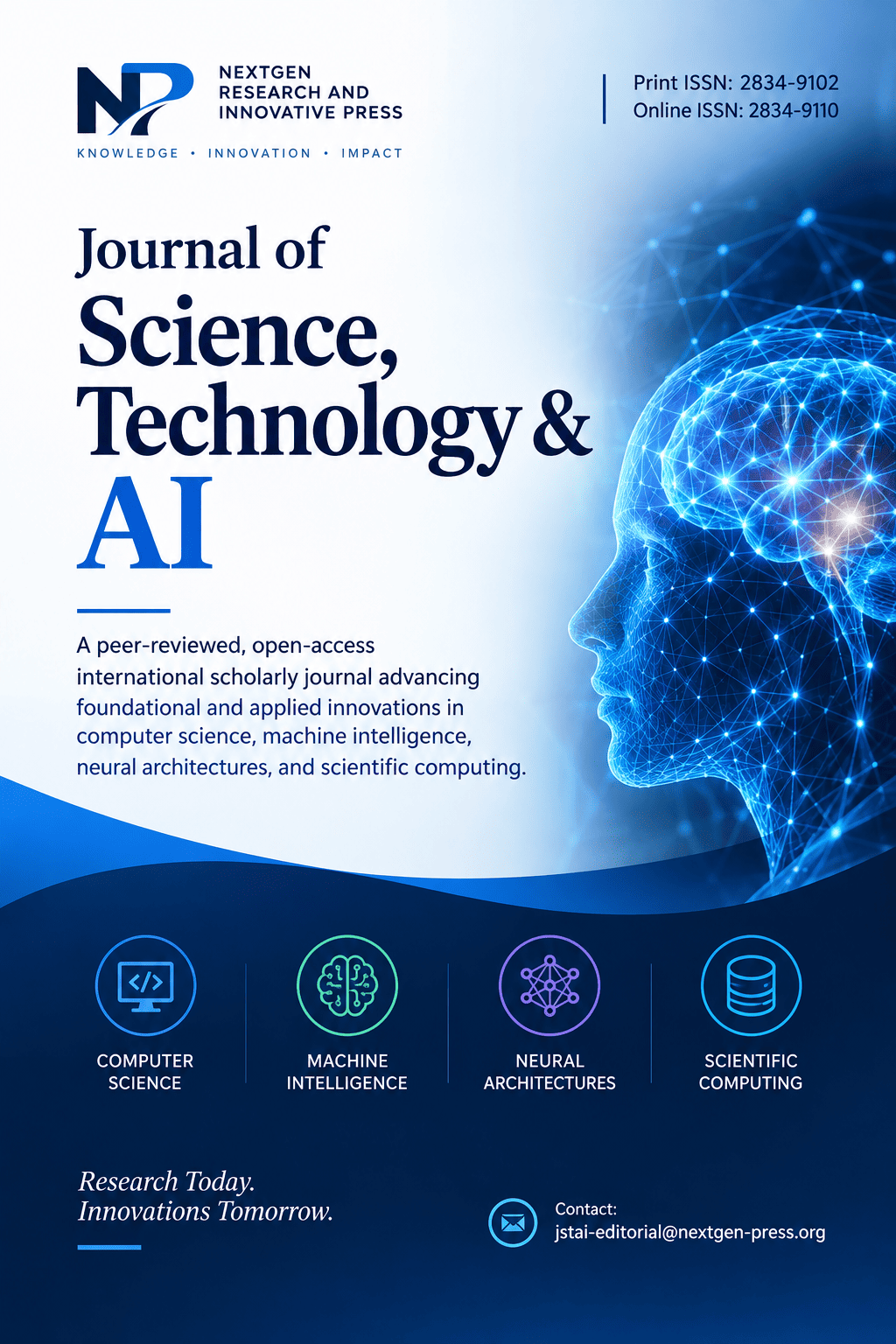
NextGen Journal of Science, Technology & AI

NextGen Journal of Science, Technology & AI

A peer-reviewed, open-access international scholarly journal advancing foundational and applied innovations in computer science, machine intelligence, neural architectures, and scientific computing.

Online ISSN: 2834-9110
Policy: Rigorous double-anonymous peer review conducted by independent domain experts. Minimum two review reports required prior to editorial decision.
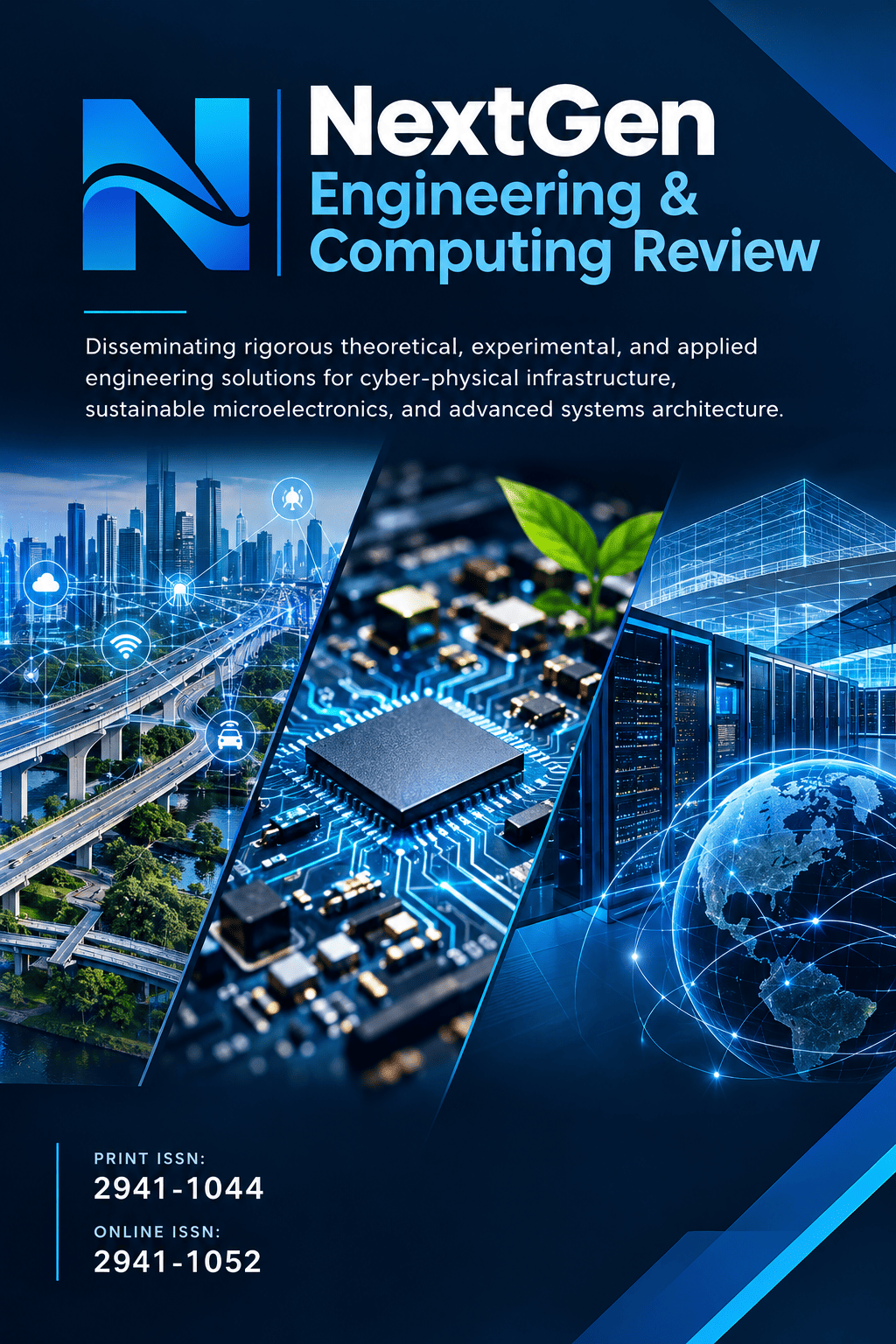
NextGen Engineering & Computing Review

NextGen Engineering & Computing Review

Disseminating rigorous theoretical, experimental, and applied engineering solutions for cyber-physical infrastructure, sustainable microelectronics, and advanced systems architecture.

Online ISSN: 2941-1052
Policy: Double-anonymous peer review with comprehensive technical and reproducibility verifications.
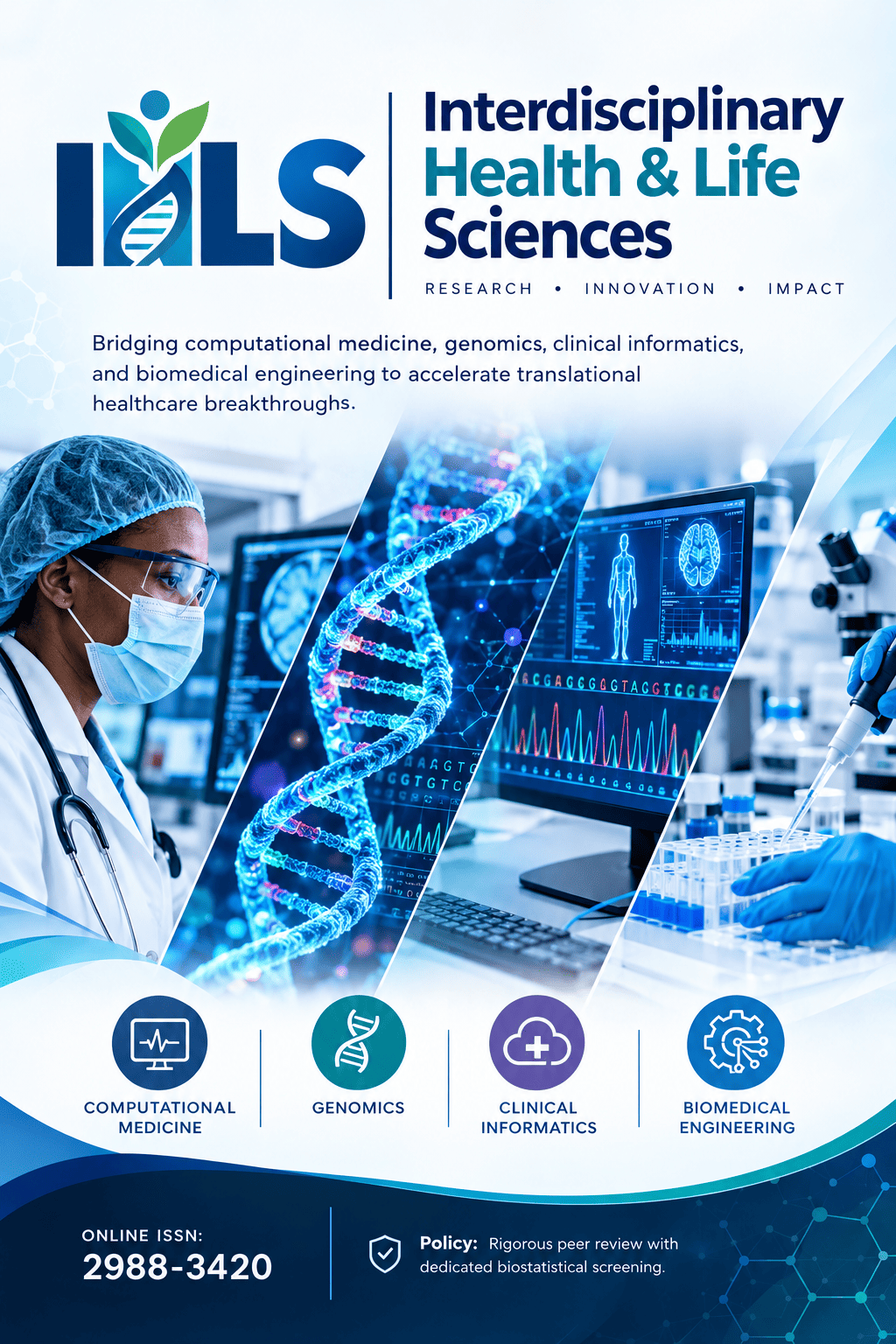
NextGen Interdisciplinary Health & Life Sciences Journal

NextGen Interdisciplinary Health & Life Sciences Journal

Bridging computational medicine, genomics, clinical informatics, and biomedical engineering to accelerate translational healthcare breakthroughs.

Online ISSN: 2988-3420
Policy: Rigorous peer review with dedicated biostatistical screening.
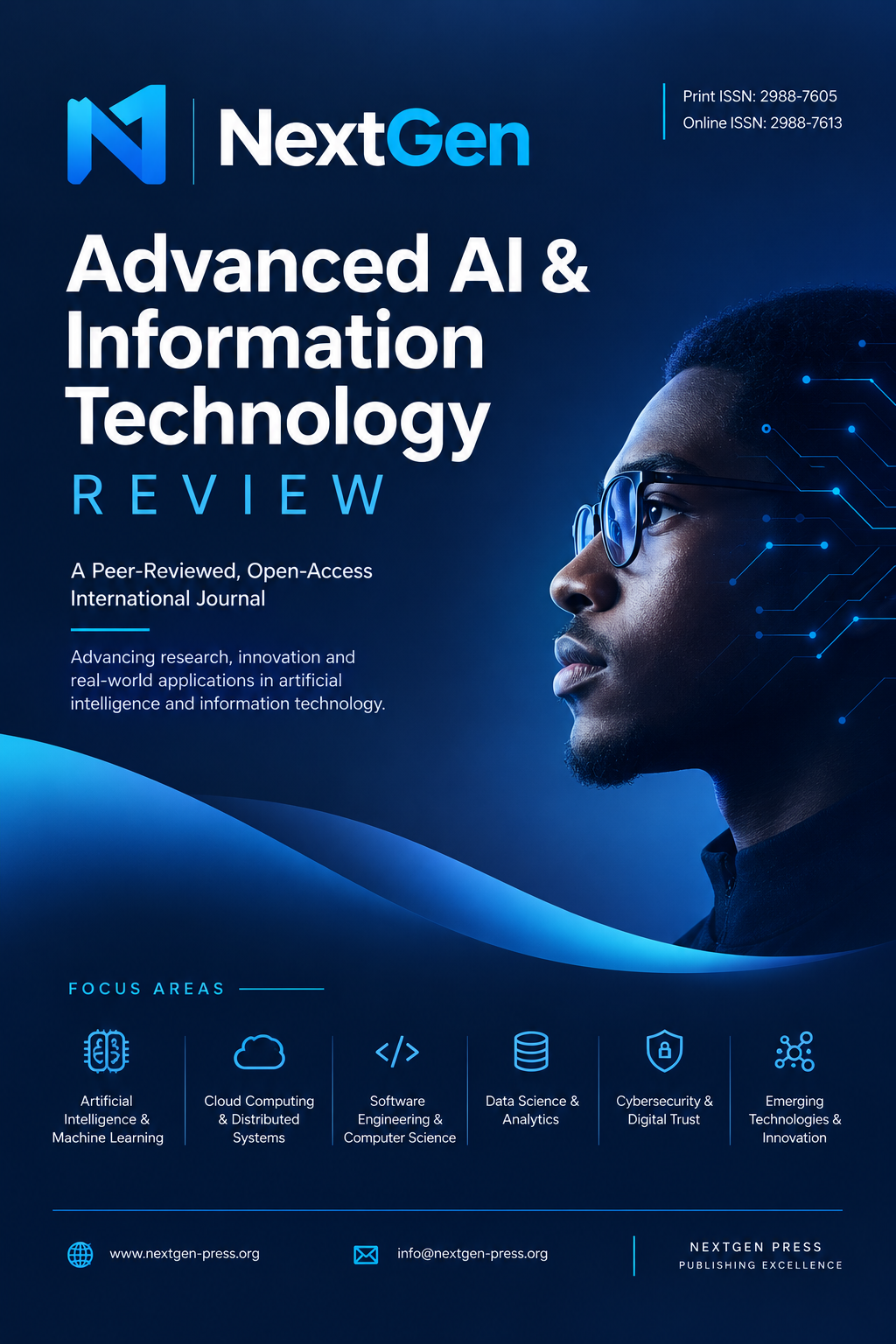
NextGen Advanced AI & Information Technology Reviews

NextGen Advanced AI & Information Technology Reviews

NextGen Advanced AI and Information Technology Review is a peer-reviewed, international open-access journal dedicated to publishing pioneering research at the convergence of artificial intelligence and next-generation information technology. The journal serves as a premier global forum for computer scientists, IT professionals, researchers, and engineers to share innovative paradigms, technical frameworks, and real-world applications that shape the digital landscape.

Online ISSN: Pending
Policy: Double-anonymous peer review
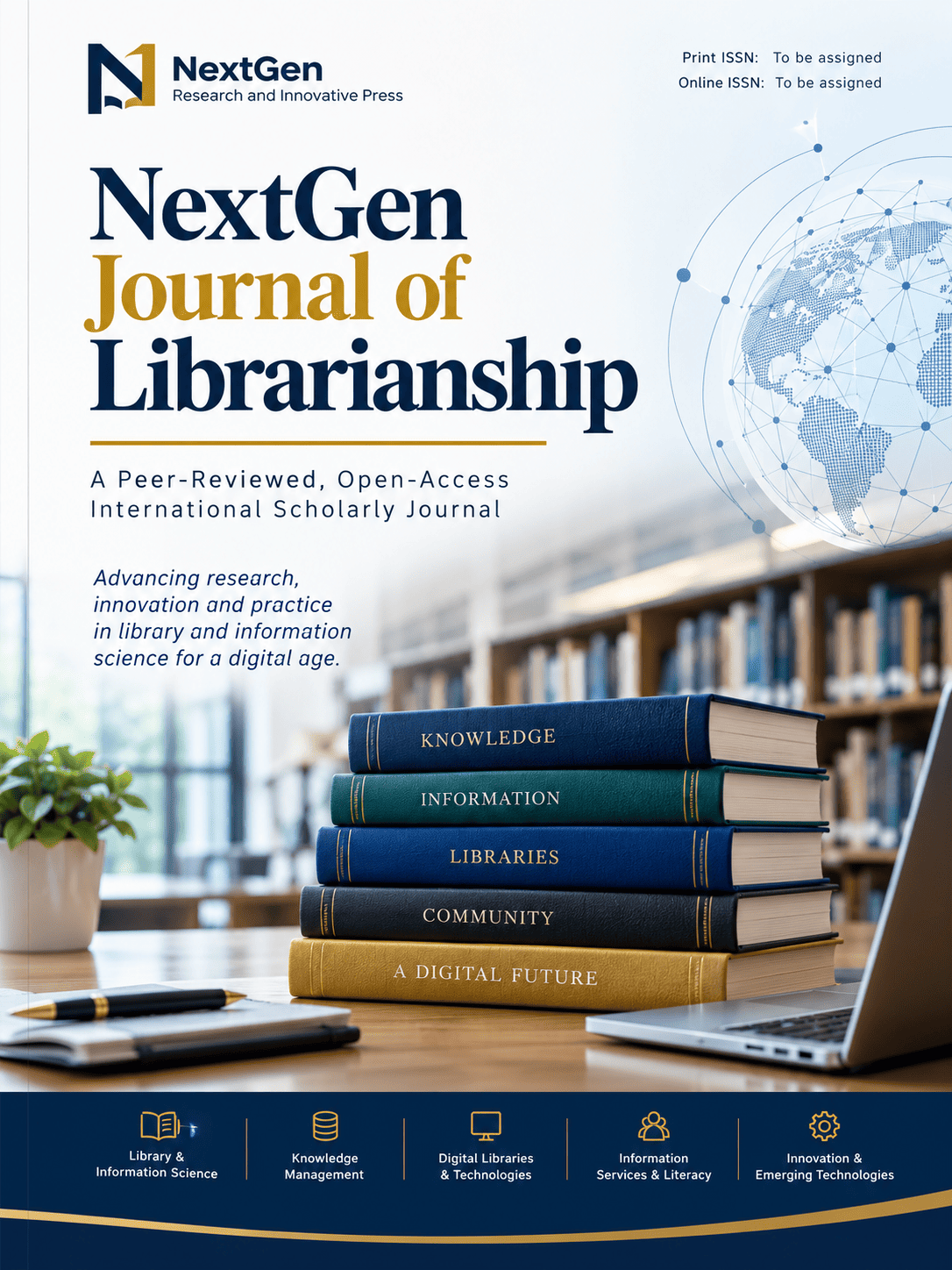
NextGen Journal of Librarianship

NextGen Journal of Librarianship

The NextGen Journal of Librarianship is a peer-reviewed, open-access scholarly journal dedicated to advancing research, innovation, and professional practice in librarianship, library and information science, knowledge management, and digital information services. The journal provides an international platform for researchers, librarians, information professionals, educators, and technology practitioners to share original research, theoretical contributions, systematic reviews, and practical insights addressing the evolving role of libraries in the digital age. Aims and Scope The journal welcomes original contributions in areas including: Library and Information Science Digital Libraries and Institutional Repositories Information Organization, Cataloguing, and Classification Knowledge Management and Information Retrieval .Artificial Intelligence and Automation in Libraries Digital Preservation and Electronic Records Management Academic Libraries and Research Support Services Public, School, and Special Libraries Information Literacy and Digital Literacy Bibliometrics, Scientometrics, and Research Evaluation Open Access, Scholarly Communication, and Publishing Library Management, Leadership, and Policy Data Management and Research Data Services Emerging Technologies in Information Services User Experience, Information Behaviour, and Library Services

Online ISSN: 3156-6651
Policy: Rigorous double-anonymous peer review conducted by independent domain experts. Minimum two review reports required prior to editorial decision.
Strategic Scholarly Publishing Partnership

LOU Publishing and Information Services

NextGen Innovation & Research Journals proudly collaborates with LOU Publishing and Information Services to elevate scholarly communication, bibliographic archiving, and open-science digital distribution across African and international research communities.

Headquarters20 Nnamdi Crescent Street Asaba, Delta State, Nigeria
Direct Telephone+234 8055821283
Publishing Web Portalloupublishing.onrender.com

Partner Portal

Explore bibliographic services, monographs, and academic archives.

Visit LOU Publishing
Call for Submissions

Publish Your Next Breakthrough with NextGen Innovation & Research Journals

Experience a streamlined, respectful editorial process. Authors retain full copyright under Creative Commons Attribution licenses, with rapid desk screening, rigorous double-anonymous peer review, and automated Crossref DOI registration upon acceptance.